
Contests & Giveaways | February 2015
Each month we feature free and enjoyable book contests and giveaways!
We hope you will enjoy the following opportunities as well as the author and book resources available via TeachingBooks.net.
Win a free promo code for the Happy Valentine’s …

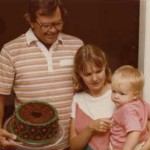
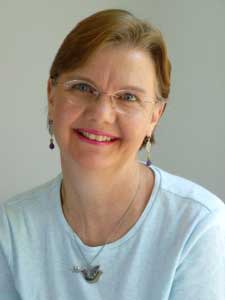 Not long after my dad died, just after Christmas in 1999, I found myself in the throes of intense grief. I had experienced loss before. Grandparents had passed away. Friends had left me, too. But I had never felt the kind of profound sadness that engulfed me when my father died. It caused my knees to buckle and for months I felt like I was slogging through quicksand, each step muddier than the one before it.

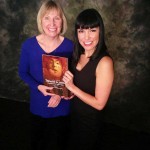
 For seven years, I’ve been sharing the stories of the many incredibly talented Native artists, writers, fashion designers, and entrepreneurs across North America on my blog “Urban Native Girl” and the online magazine I co-founded, Urban Native Magazine. So when Mary Beth Leatherdale came to me with the idea to create an anthology for youth featuring contemporary Native writers, artists, and teens talking about their experiences growing up Indigenous, I was thrilled.

 I enjoy writing in the first person. I feel it gives readers immediate insight into a novel’s protagonist; from the beginning of the story they’re inside the head that person—with all the confusion and clarity that it entails. So, when I begin to write a book, I simply sit in a not-too-quiet place (usually the library) and have an internal conversation with whomever it is that’s narrating the work, and I start taking dictation. (Old-timer’s term, look it up.) It’s a fascinating process because so often I learn from this character that the tale I’m set on telling is all wrong.

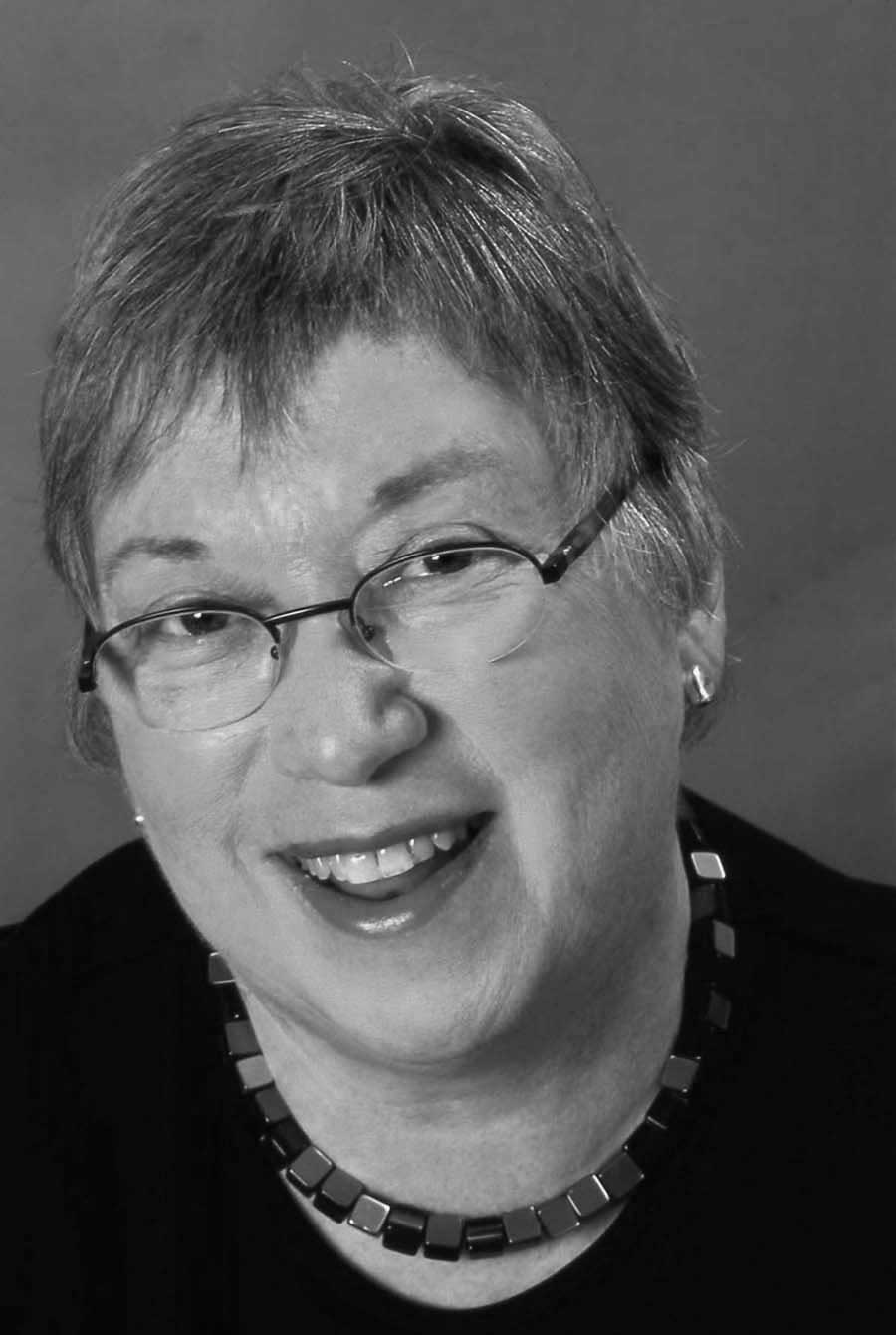
 For me, it was the sheer number of fields in which Roget developed a working knowledge, and in which he also had significant influence. Roget was interested in just about everything and wrote papers, articles, and books on subjects ranging from botany to mathematics and optics to public health. Today, when most people super-specialize in a field or a skill set, this may seem unfocused. But in Roget’s time, when there was no such thing as a professional scientist, this broad intellectual life was encouraged and admired.
 For the past twenty years, people have been asking me how I came to write It’s Perfectly Normal: A Book about Changing Bodies, Growing Up, Sex, and Sexual Health (Candlewick, 1994). It all began when an editor asked if I would be interested in writing a book for preteens and teens about AIDS. At the time, I didn’t know enough about AIDS to write a responsible book about the disease. But I surprised myself when I answered that what I would write was a comprehensive book that would answer almost every question this audience had about sexual health.

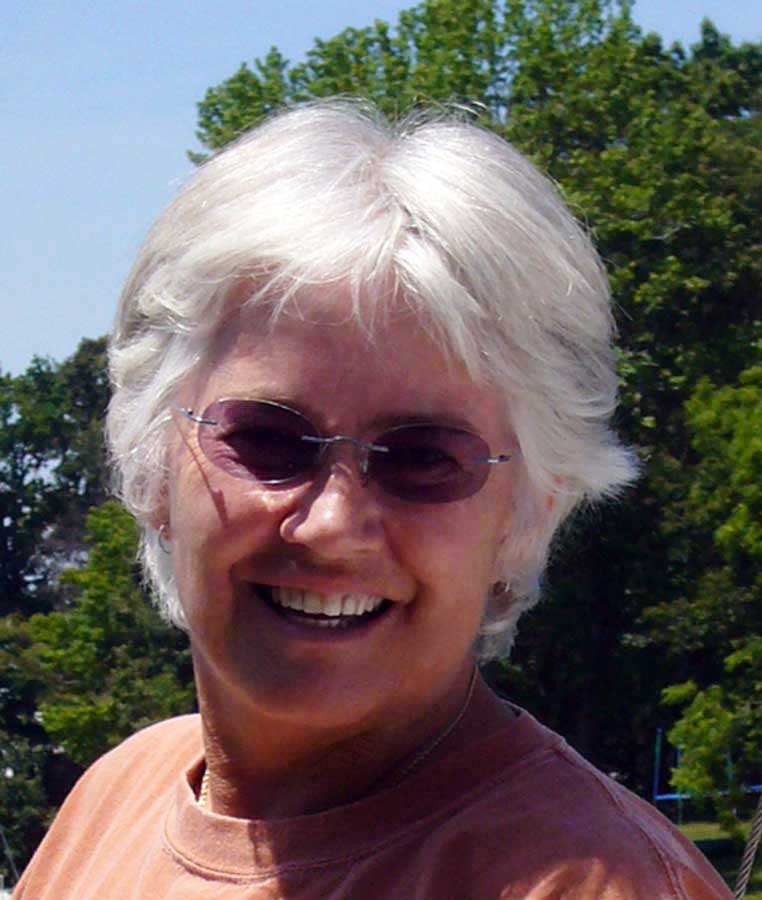 My interest in the natural world began early. It stemmed from my mother’s infectious excitement on hearing the song of an oriole, then finding its intricate hanging nest at the top of a nearby cottonwood tree. And from my father’s comments on the geology of the landscapes streaming past our car windows on our annual summer vacations—the alluvial fans, volcanic cones, scarp and dip slopes, and the forces that created them billions of years ago. My father also taught us the names of constellations and studied the bark of trees during our woodland walks.
 When I was in the fifth grade, I convinced my mother to take me to our local comics shop. While I browsed the shelves, she stood by the door with her arms crossed, silently judging an entire industry. I went home with Secret Wars #4, the latest issue of Marvel’s cosmic, no-holds-barred superhero slugfest. It’s like Homer’s Iliad, only in outer space and without all the boring pathos. It was everything my 10-year-old heart desired. That evening, I made the mistake of letting my mom flip through it.

 Good morning, Nick.
Good morning.
Thank you for meeting with me. I know it’s early.
No problem. I appreciate the invitation.
So, how often do you actually talk to yourself in the mirror?
Oh, not as often as you might think. Sometimes if there’s no mirror around, I hold two tin cans with a string attached up to each of my ears. It’s like I’m playing telephone with myself!
That’s pretty neat.
Thank you. I invented it myself.
So, what do you want to talk about today? Fragment sentences? Maybe: we could talk about, improper use; of punctuation - marks!
No, I’d rather talk about creative writing and the tax code.
Good morning, Nick.
Good morning.
Thank you for meeting with me. I know it’s early.
No problem. I appreciate the invitation.
So, how often do you actually talk to yourself in the mirror?
Oh, not as often as you might think. Sometimes if there’s no mirror around, I hold two tin cans with a string attached up to each of my ears. It’s like I’m playing telephone with myself!
That’s pretty neat.
Thank you. I invented it myself.
So, what do you want to talk about today? Fragment sentences? Maybe: we could talk about, improper use; of punctuation - marks!
No, I’d rather talk about creative writing and the tax code.

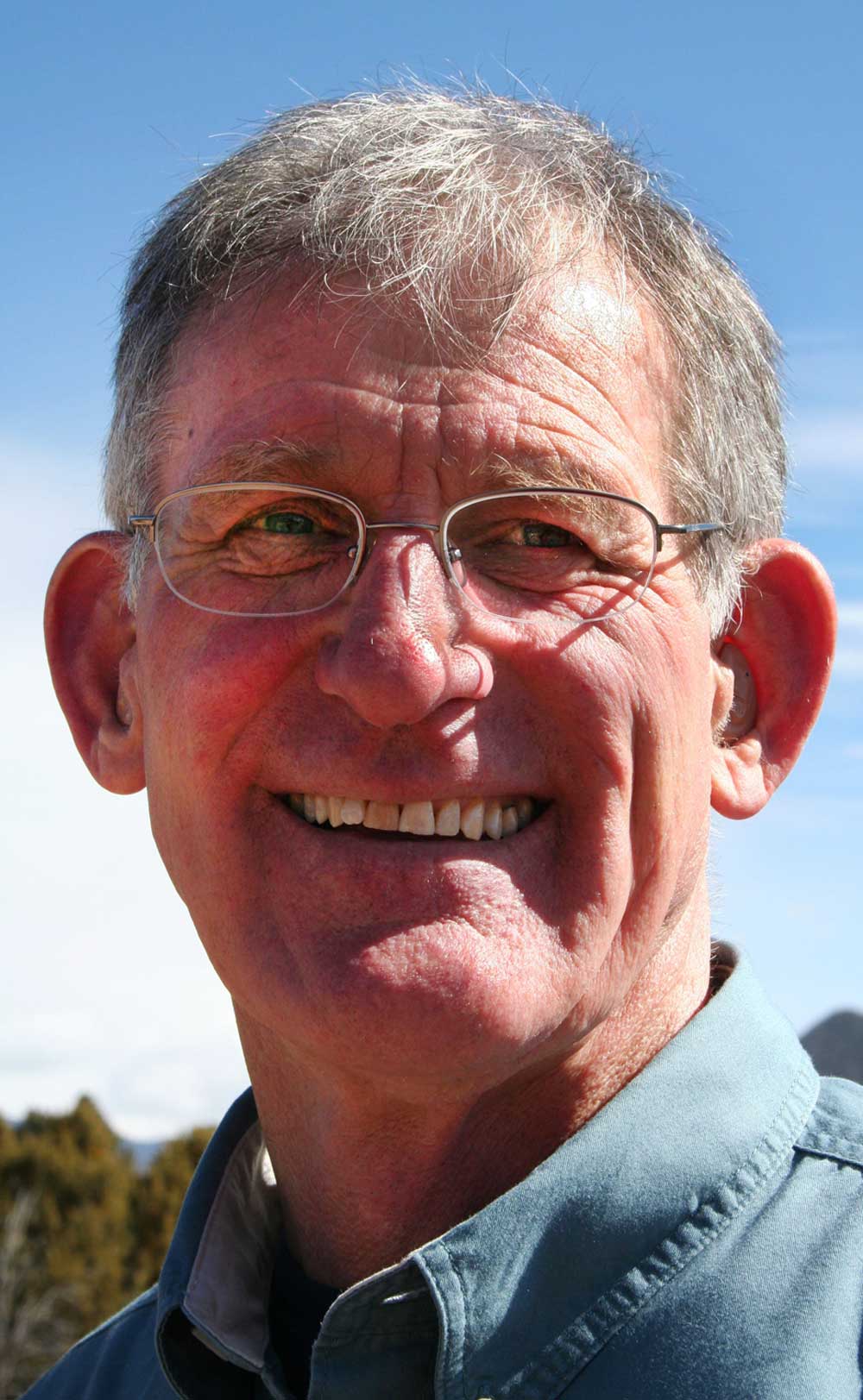 The most important thing I tell children when I visit schools is this: writing is sharing. I explain to them that an author isn’t someone special. An author is just someone who wants to share something, and decides to write about it. “If you become interested in something,” I tell students, “you should write about it.” I like old, traditional stories—especially those from the American Southwest. When I run across a tale that excites my imagination, I start re-imagining it and developing a version that I think will entertain children and suit my style of storytelling.
 The Rule of Three is the first of a trilogy that will run just over 1,200 pages. If a journey of a thousand miles starts with a step, then a trilogy that length begins with an inkling of an idea.