
 Throughout the ages, individuals and groups have migrated, emigrated, fled, and been forcibly removed from their homelands. When teaching about the movement of people, books can provide students with a variety of perspectives.
In this month’s post, we feature award-winning titles that address the experiences of enslaved Africans, indigenous groups, and recent immigrants, and offer a multimedia resource for each.
Throughout the ages, individuals and groups have migrated, emigrated, fled, and been forcibly removed from their homelands. When teaching about the movement of people, books can provide students with a variety of perspectives.
In this month’s post, we feature award-winning titles that address the experiences of enslaved Africans, indigenous groups, and recent immigrants, and offer a multimedia resource for each.Nick’s Picks: Population shifts through the centuries
Throughout the ages, individuals and groups have migrated, emigrated, fled, and been forcibly removed from their homelands. When teaching about the movement of people, books can provide students with a variety of perspectives.
In this month’s post, we feature award-winning titles that address the experiences of enslaved Africans, indigenous groups, and recent immigrants, and offer a multimedia resource for each. Why do I write about science and nature for young readers? Easy answer. It’s FUN! But making scientific facts fun to read about is a challenge, especially in our modern world filled with iPods, iPads, smart phones, video games, and any number of other electronic distractions. I try to use storytelling techniques to grab my audience.
 Snakes are tricky creatures, both to photograph and to handle. Their long thin bodies and surface-hugging habits don't necessarily create the best photographic compositions, and their nervous natures don’t permit easy interaction, especially with those of us carrying cameras.
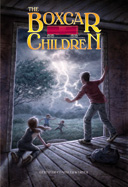 One child (ages 5-15) will win a small voice part in the animated film version of The Boxcar Children by Gertrude Chandler Warner!